

Finding the Right Self Storage in Clemmons, NC: A Complete Guide
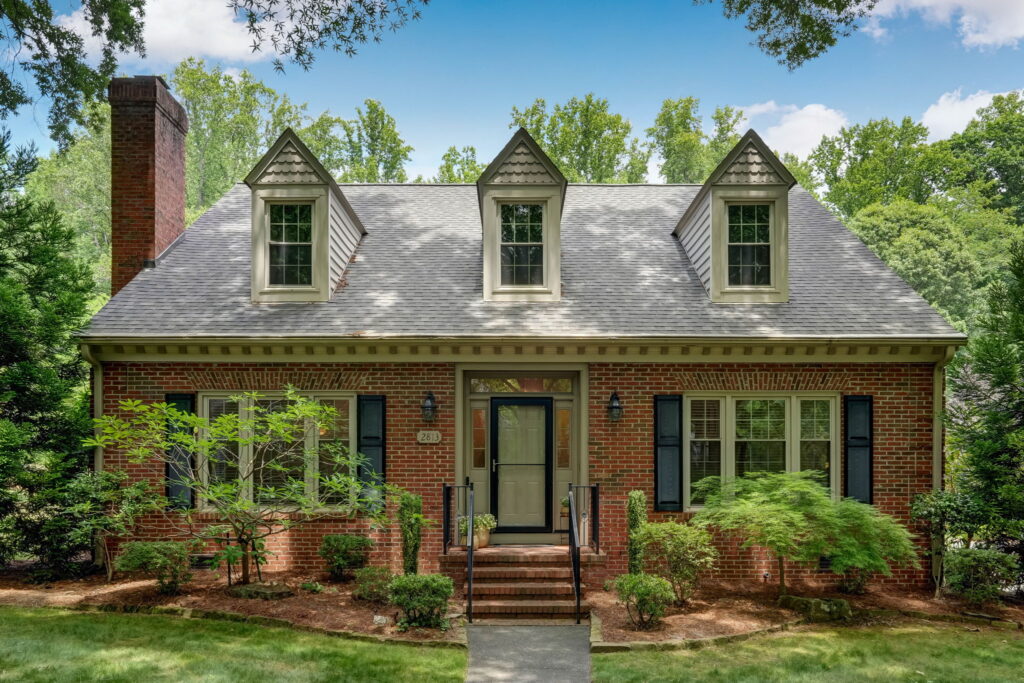
Whether you’re downsizing, renovating, moving across town, or just tired of tripping over boxes in the garage, finding reliable storage in Clemmons, NC can make life a whole lot easier. With its mix of quiet residential neighborhoods and easy access to Winston-Salem, Clemmons has become a popular place to live — and that means local demand for storage space has grown right along with it.
If you’re weighing your options, here’s what you need to know about self storage in the area and how to pick the unit that actually fits your needs.
Why People in Clemmons Need Self Storage
Clemmons is a town in transition in the best way — new families moving in, longtime residents renovating older homes, and plenty of people juggling life changes like job relocations, college moves, or downsizing after the kids move out. Common reasons locals turn to self storage include:
- Home renovations or staging a house for sale — clearing out furniture and personal items to make rooms feel bigger
- Moving transitions — storing belongings between closing dates or during a cross-country move
- Seasonal gear — boats, RVs, lawn equipment, and holiday decorations that don’t need to live in the garage year-round
- Business inventory — small business owners and online sellers who need overflow space without leasing a warehouse
- College students — storing dorm furniture and belongings over the summer break
Whatever the reason, having a dependable storage facility nearby means one less thing to worry about.
What to Look for in a Storage Facility
Not all self storage is created equal. Before you sign a lease, it’s worth thinking through a few key factors:
1. Unit Size
Storage units typically range from small 5×5 lockers (great for boxes and seasonal items) up to 10×30 units that can hold the contents of a full house or a vehicle. Most facilities offer a size guide or a walkthrough to help you avoid paying for more space than you need.
2. Climate Control
North Carolina summers get hot and humid. If you’re storing electronics, wood furniture, photographs, or important documents, a climate-controlled unit helps prevent warping, mold, and moisture damage — even if it costs a little more per month.
3. Security Features
Look for facilities with gated access, individual unit alarms, on-site cameras, and good lighting. Peace of mind matters just as much as square footage.
4. Convenient Location and Access Hours
A storage unit does you no good if it’s a hassle to get to. Facilities offering storage in Clemmons, NC with extended or 24-hour access hours make it much easier to grab what you need on your own schedule.
5. Month-to-Month Flexibility
Life changes fast. Look for a facility that doesn’t lock you into a long-term contract if you only need space for a few months.
Tips for Packing Your Storage Unit
Once you’ve picked your unit, a little planning goes a long way:
- Label everything — clear labeling saves you from digging through boxes later
- Use uniform box sizes when possible for easier stacking
- Store heavier items on the bottom, lighter or fragile items on top
- Leave a walking aisle so you can access items in the back without unpacking the whole unit
- Use pallets or shelving to keep items off the floor, especially in non-climate-controlled units
Choosing Local Over Big-Box Storage Chains
While national chains are everywhere, many Clemmons residents prefer smaller, locally operated self storage facilities. Local operators often offer more personalized service, competitive pricing, and a better sense of the community’s specific needs — whether that’s extra security for a quiet residential area or flexible access for local business owners.
Final Thoughts
Finding the right self storage solution doesn’t have to be complicated. Whether you need a small unit for seasonal items or a large space during a big move, taking the time to compare climate control, security, access hours, and pricing will help you find storage in Clemmons, NC that truly fits your life.
If you’re currently searching for a facility, start by making a list of what you’re storing, how long you’ll need the space, and your budget — then reach out to a few local providers to compare options before committing.